
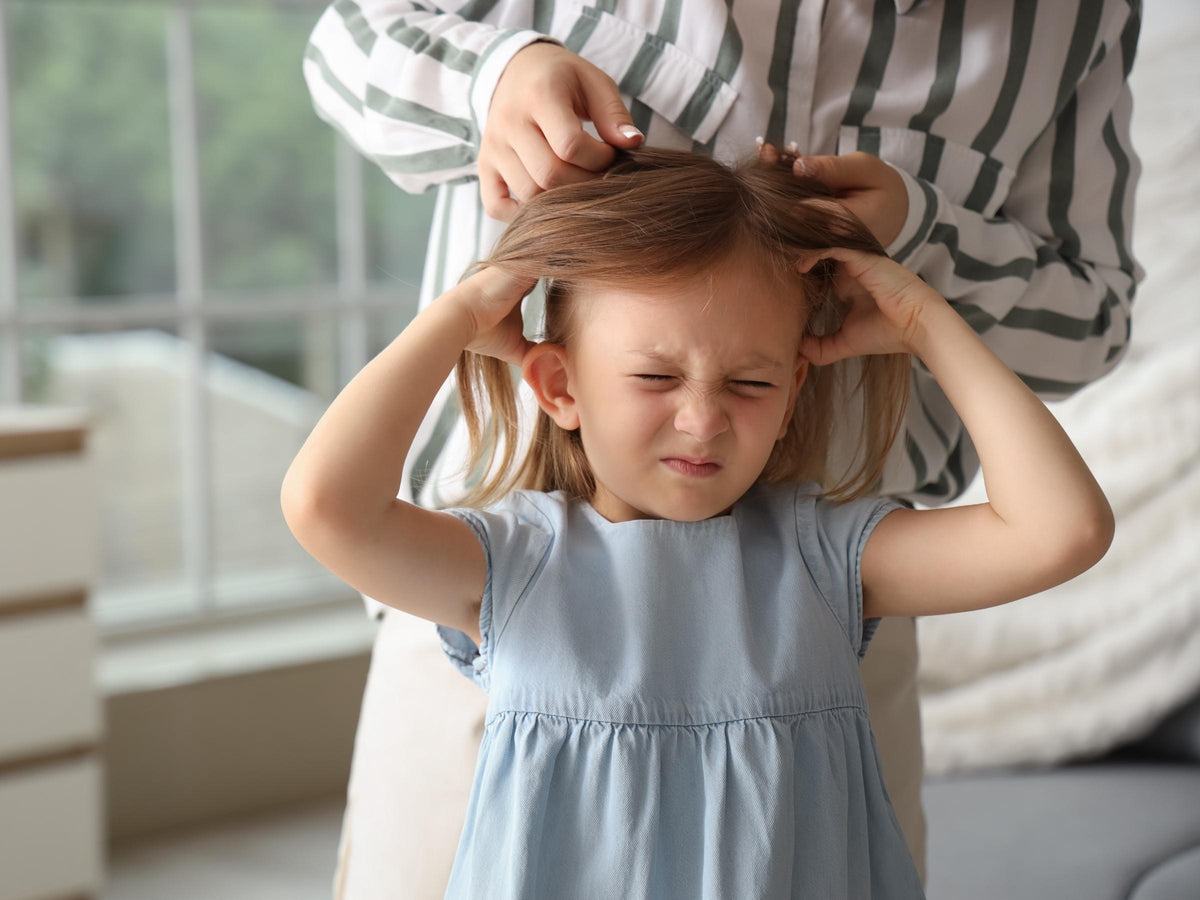
Scalp ringworm also known as tinea capitis, is one of the most common fungal skin concerns in children, especially those in school or daycare settings. In fact, research shows that up to 5–10% of school-aged children may experience scalp ringworm Scalp ringworm information from Nationwide Children's, opens in a new tab, with Trichophyton tonsurans being the leading cause in the United States.
Because it can look like other conditions like dandruff or eczema, it’s often overlooked in the early stages.
If you’re searching for:
early-stage ringworm on scalp
itchy scalp ringworm
ringworm kids
—you’re not alone. Let’s walk through what to look for and how to support your child’s skin.
What Is Scalp Ringworm?
Scalp ringworm is a fungal infection that affects the scalp and hair shafts. Despite the name, it has nothing to do with worms.
The term “ringworm” comes from the ring-shaped rash that often appears on the skin. For centuries, before microscopes were widely used, this circular pattern led people to believe a worm was involved hence the name that has stuck around today.
In reality, scalp ringworm is caused by a group of fungi known as dermatophytes. These organisms naturally live on the skin, hair, and nails and thrive in warm, moist environments, which is why they’re more common in children and in shared spaces like schools, locker rooms, and playgrounds. It spreads through direct contact with people, animals, or contaminated objects, making it one of the more common and easily transmitted skin concerns in childhood.
Because it affects the hair shaft, scalp ringworm behaves a bit differently than ringworm on the body often leading to flaking, irritation, and patchy hair loss if not addressed early.
Early Signs of Scalp Ringworm
Catching it early can make a big difference in managing symptoms.
Common early signs include:
- Small, round patches on the scalp
- Mild redness or irritation
- Flaky or scaly skin
- Itching
As it progresses, you may notice:
- Patchy hair loss
- Broken hairs (often called “black dots”)
- Ringworm near the hairline or forehead
How Do Children Get Scalp Ringworm?
Scalp ringworm is highly contagious, especially among children, which is why it’s commonly seen in schools, daycare settings, and sports environments like gymnastics and wrestling.
It spreads when fungal spores transfer from one surface—or person—to another.
Common ways it spreads include:
- Sharing brushes, combs, hats, helmets, or hair accessories
- Close contact during play, sports, or sleepovers
- Shared pillows, towels, bedding, or blankets
- Contact with infected individuals (even before symptoms are obvious)
- Contact with animals, especially cats, dogs, or farm animals that may carry the fungus
What many people don’t realize is that the fungi can also live on surfaces and objects for extended periods of time, making indirect contact a common source of exposure.
Why Children Are More at Risk
Children are more likely to develop scalp ringworm because:
- They have frequent close contact with other children
- They often share personal items without realizing the risk
- Their scalp may be more susceptible due to minor skin irritation or sensitivity
- Hygiene habits are still developing
In addition, scalp ringworm tends to occur more often in children than adults because the scalp environment changes with age, making it easier for fungi to grow in younger individuals.
Because of how easily it spreads, it’s not uncommon for more than one child in a household or classroom to be affected at the same time.
Scalp Ringworm vs. Other Conditions
It’s easy to confuse scalp ringworm with other skin concerns.
Key differences:
Ringworm: circular patches, contagious, may cause hair breakage
Eczema: dry, irregular patches, not contagious
Dandruff: widespread flaking without defined patches
Treatment Options for Scalp Ringworm
Conventional options may include medicated shampoos or prescription antifungal treatments (often recommended for scalp cases).
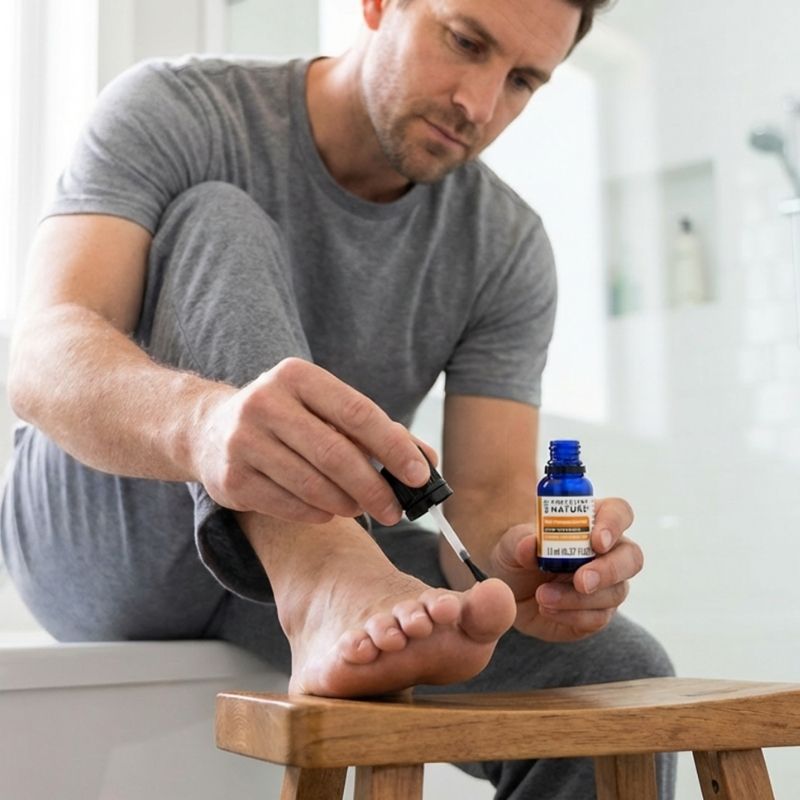
But for those looking for a gentler approach, our Tri-Relief Antifungal, opens in a new tab is a plant-based topical oil is designed to support skin affected by common fungal concerns, including ringworm. It is the only certified organic solution to ringworm on the market.
Why families choose this option:
- Certified organic ingredients
- No steroids or synthetic fillers
- It’s formulated with homeopathic medicine and essential oils
- Easy to apply rollerball application
- Suitable for children 3+
How to Use Tri-Relief Antifungal
Apply a small amount to clean, dry skin 2–3 times daily. Consistency is key—skin concerns like this often improve gradually with continued care.
What to Expect with Consistent Use
With consistent use of Tri-Relief Antifungal, many people begin to notice visible improvements in comfort including reduced itching, redness, and irritation within the first several days.
Because concerns like scalp ringworm, athlete’s foot, and jock itch, opens in a new tab can vary in severity, continued daily application is important. Supporting the skin consistently helps maintain progress and encourages ongoing improvement over time.
While quick fixes are often thought to be ideal the reality is that skin recovery takes time, especially on the scalp.
Most cases:
Show improvement within 1–3 weeks
May take longer depending on the area and severity
Benefit from consistent, continued care to help maintain results
Think of it this way, early use helps support immediate comfort, while continued use helps support the skin as it returns to balance.
Prevention Tips & Final Thoughts
Because scalp ringworm spreads easily, a few simple habits can make a big difference. Avoid sharing brushes, hats, or pillows, wash bedding regularly, and keep the scalp clean and dry. It’s also helpful to check siblings or close contacts, especially if irritation or symptoms begin to appear.
Scalp ringworm in children is common but with early recognition and consistent care, it can be managed effectively. For families looking for a clean, plant-based option, Tri-Relief Antifungal can be a simple addition to your routine without harsh ingredients.