
By Dr. Peter Klapper Ph.D.,
Hormonal Acne is a common issue that affects many people, especially women, at different stages of life. This type of acne is typically linked to hormonal fluctuations and can often appear around the chin and jawline. If you’ve experienced hormonal breakouts, hormonal pimples, or noticed an itchy chin and jawline, you’re not alone. Let’s explore what hormonal acne is, what causes it, and who is most likely to experience it.
What is Hormonal Acne?
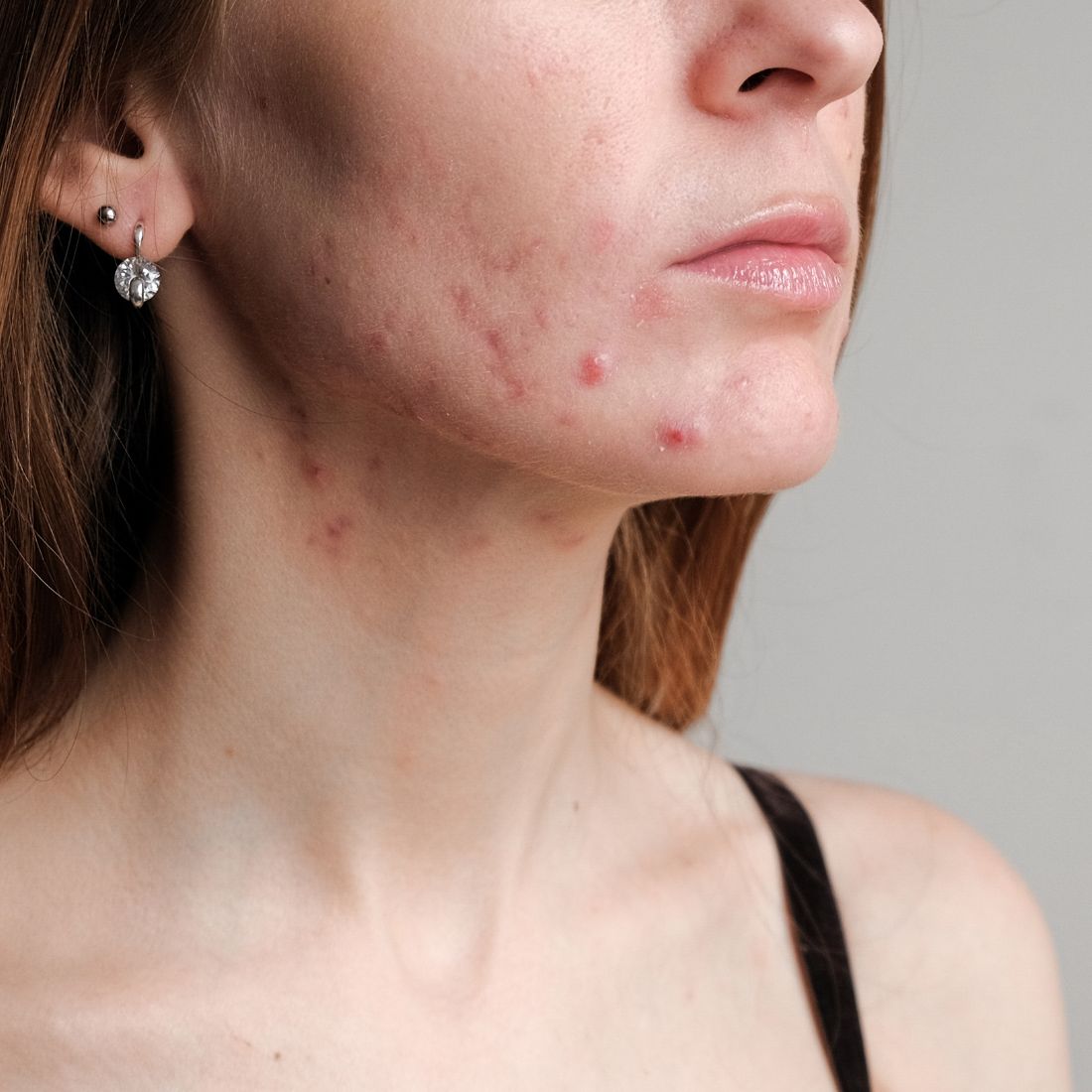
Hormonal acne, as the name suggests, is acne triggered by changes in hormone levels. Unlike regular acne, opens in a new tab, hormonal acne often appears in cycles, corresponding to menstrual or life events that affect hormonal balance. It’s most commonly seen on the lower part of the face—think breakouts on the jawline, chin, and even around the mouth.
Hormonal acne can range from mild pimples and blackheads to more severe cystic acne, which can be painful and more challenging to treat. These breakouts can sometimes feel itchy and irritated, especially in sensitive areas like the chin and jawline.
What Causes Hormonal Acne?
Several factors contribute to the development of hormonal acne:
- Androgen Hormones, opens in a new tab: One of the leading causes of hormonal acne is an increase in androgens like testosterone. High androgen levels can stimulate oil glands in the skin, leading to clogged pores and pimples. This is why people might notice testosterone pimples or testosterone and pimples correlation.
- Menstrual Cycle: Many women experience period pimples or breakouts before their period due to fluctuations in estrogen and progesterone levels. This typically results in a pimple during the period or right before it starts.
- Polycystic Ovary Syndrome , opens in a new tab(PCOS): PCOS is a condition that affects hormone levels and often leads to increased androgen production. Women with PCOS frequently struggle with PCOS and pimples or cystic pimple jawline issues.
- Pregnancy: Skin breakouts during pregnancy are also common due to shifting hormone levels. Some women experience clearer skin, while others may see an increase in acne.
- Hormonal Contraceptives: Some forms of hormonal birth control, like the Mirena IUD, opens in a new tab, may cause acne as a side effect, often referred to as Mirena pimples.
- Ovulation: Changes in hormone levels during ovulation can also trigger pimples during ovulation or zits on the chin and around the mouth.
Where Does Hormonal Acne Appear?
Hormonal acne generally shows up in specific areas, often referred to as hormonal pimple areas:
- Jawline and Chin: The most common areas affected are the jawline, chin, and around the mouth. If you’ve experienced breakouts along the jawline or pimples on the chin and around the mouth, it could be due to hormonal factors.
- Cheeks and Neck: Some people also experience hormonal acne on the cheeks and neck, although it’s less common than jawline and chin breakouts.
Who Gets Hormonal Acne?
While hormonal acne can affect anyone, it's more common in certain groups:
- Teenagers: Adolescence, opens in a new tab is a time of significant hormonal shifts, often leading to acne.
- Women: Adult women, opens in a new tab are more likely than men to experience hormonal acne, particularly during menstrual cycles, pregnancy, or menopause. Issues like breakouts before periods or before period pimples are specific to hormonal fluctuations in women.
- People with PCOS: Those with PCOS often have persistent acne due to the hormonal imbalances associated with the condition.
How to Manage Hormonal Acne?
Managing hormonal acne can be challenging, as it often doesn’t respond to traditional acne treatments. Here are some effective ways to approach it:
- Topical Treatments: Look for products with ingredients like salicylic acid or benzoyl peroxide to reduce inflammation and clear pores.
- Hormonal Treatments: Medications like birth control pills, spironolactone, and other hormone regulators can help manage hormonal acne. However some research shows mood effects linked to hormonal contraceptives: a 2004 review , opens in a new tabnoted increased anxiety in users, and a 2018 study, opens in a new tab found similar results with hormonal IUDs. Combined pills (synthetic estrogen and progesterone) and progestin-only minipills are often associated with higher rates of depression and anxiety. Consult a dermatologist to see if these options are suitable for you.
- Diet and Lifestyle: Reducing stress, opens in a new tab, maintaining a balanced diet, and limiting dairy and sugar can help minimize breakouts. Stress can also increase androgen production, so managing it can help reduce breakouts on the jawline or itchy chin and jawline hormonal issues.
- Over-the-Counter Options: Retinoids, commonly found in many over-the-counter acne products, are known for helping clear out pores and reduce breakouts. For a natural alternative, Forces of Nature Acne/Pimple Control, opens in a new tab combines powerful plant-based ingredients, opens in a new tab that fight acne, balance oil production, and promote clear skin without harmful side effects.
Final Thoughts
Hormonal acne is a common and frustrating condition, but understanding its causes and triggers can empower you to make informed decisions about treatment. Whether it’s cystic pimple jawline issues or breakouts on the chin and around the mouth, managing hormonal acne requires a personalized approach.
If you’re dealing with period pimples, testosterone pimples, or pimples during ovulation, know that you’re not alone, and with the right care, you can achieve healthier, clearer skin.