
By Dr. Peter Klapper, Ph.D.
Have you ever noticed a grainy growth on the bottom of your foot that makes walking uncomfortable? If so, you may be dealing with a plantar wart. Plantar warts are a common yet often misunderstood skin condition that typically develops on the soles of the feet, heels, or toes. While generally harmless, they can be uncomfortable, persistent, and frustrating, making it important to understand how to prevent and manage them.
In this article, we'll help you better understand these stubborn foot invaders and explore treatment options that can help you get back on your feet.
What Are Plantar Warts?
First off, what exactly are plantar warts? Plantar warts are noncancerous skin growths caused by certain strains of the human papillomavirus (HPV). They typically develop on the soles of the feet, especially in areas that experience pressure and friction, such as the heels and balls of the feet.
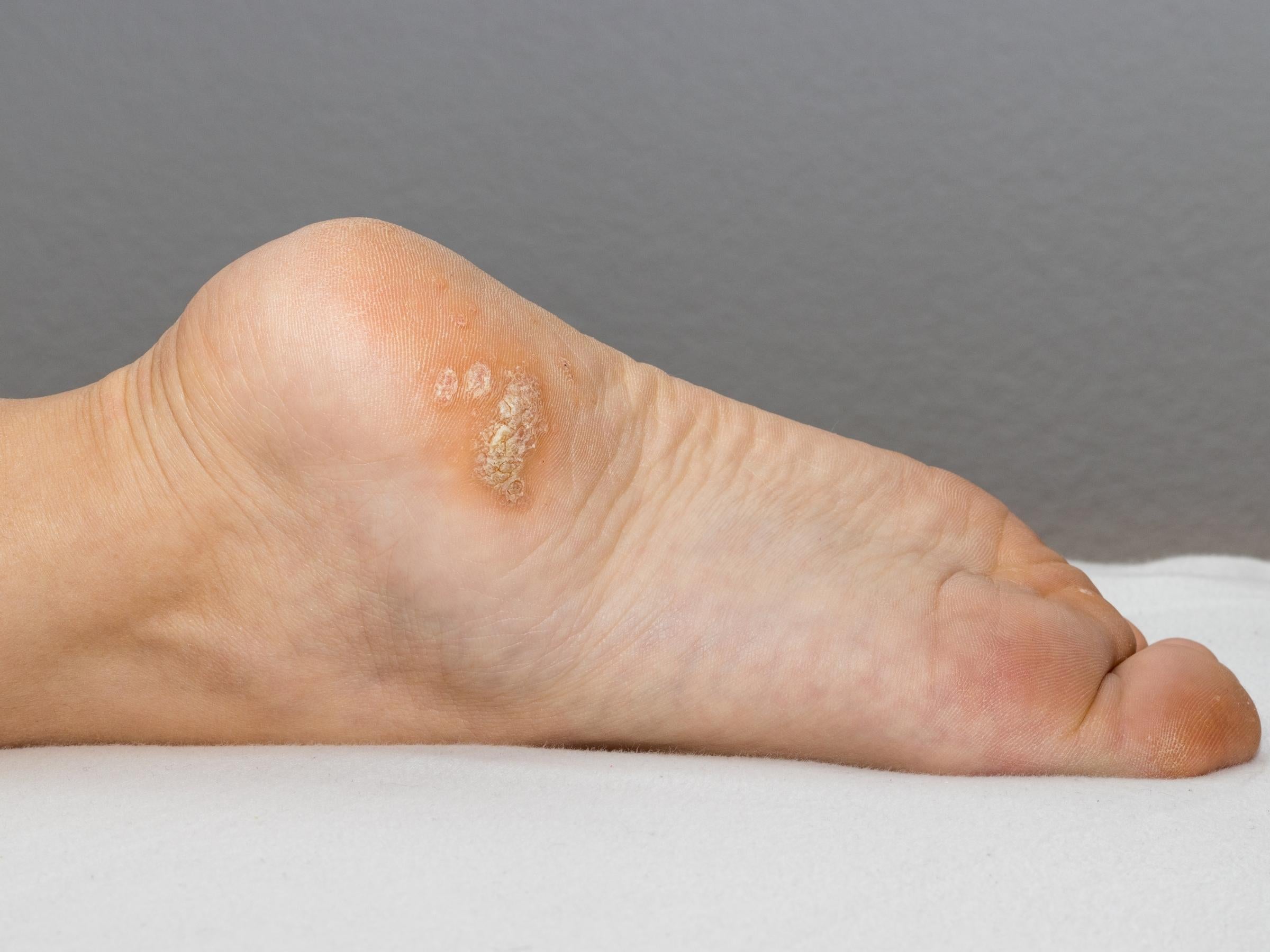
Plantar warts often appear as small, rough, grainy lesions with a thickened outer layer of skin. They may also contain tiny black dots, which are small, clotted blood vessels. Due to their location, plantar warts can cause discomfort or pain, particularly when walking, running, or standing for long periods.
Causes and Risk Factors of Plantar Warts
As mentioned above, plantar warts are caused by HPV, a contagious virus that enters the body through tiny cuts, cracks, or weakened areas of skin on the feet. Once inside, the virus infects the outer layer of skin and can trigger rapid cell growth, leading to the formation of a wart.
Several factors, opens in a new tab may increase the risk of developing plantar warts, including:
- Age: Children and adolescents tend to be more susceptible than adults because their immune systems may not have developed resistance to the virus.
- Environment: Walking barefoot in warm, moist environments such as public swimming pools, locker rooms, and communal showers may increase exposure to HPV.
- Weakened immune system: Individuals with compromised immune systems may be more likely to develop plantar warts.
- Skin-to-skin contact: Direct contact with a person who has warts or with surfaces contaminated by the virus may contribute to transmission.
- Damaged skin: Cuts, scrapes, or other breaks in the skin can provide an entry point for HPV.
Symptoms and Complications
If you've noticed a small, rough growth on your foot, you may be wondering whether it's a plantar wart. Common signs and symptoms include, opens in a new tab:
Appearance: Plantar warts usually appear as small, grainy lesions on the bottom of the foot. They may be gray, tan, brown, or yellowish in color and often have a rough surface. Tiny black or brown specks, sometimes called "wart seeds," may also be visible. The surrounding skin can become thickened and hardened due to pressure from walking.
Pain or tenderness: Plantar warts may cause discomfort when standing or walking. Many people describe the sensation as feeling like a small stone or lump inside their shoe.
Although plantar warts are generally harmless, they can occasionally spread to other areas of the body through direct or indirect contact. Repeated irritation, scratching, or injury may increase the risk of secondary infection. Recurrence is also possible, particularly in environments where HPV is commonly present.
Treatment Options
When it comes to plantar wart treatment, several approaches are available, ranging from over-the-counter products to medical procedures. Effectiveness varies depending on the individual, the size of the wart, and how long it has been present.
Over-the-counter treatments containing salicylic acid work by gradually removing layers of the wart. While often effective, prolonged use may cause skin irritation, blistering, or discomfort.
For those seeking a more natural approach, consider our Wart Control Extra Strength formula. This concentrated blend combines certified organic homeopathic medicine and essential oils designed to support healthy skin and help address unwanted warts without the harshness associated with some conventional wart treatments.
Home remedies for plantar warts may include duct tape occlusion therapy, which involves covering the wart for several days before removing dead skin. While research on its effectiveness is mixed, many people find it to be a simple and inexpensive option worth trying.
Another commonly discussed home remedy is apple cider vinegar, which contains naturally occurring acids that may help exfoliate the outer layers of skin. Results can vary and often require consistent application over several weeks.
Medical interventions include cryotherapy (freezing), laser treatments, and surgical removal. Cryotherapy can be effective but may cause blistering and discomfort. Laser therapy may help in stubborn cases but can be costly. Surgical removal is typically reserved for persistent warts and may leave a scar.
Prevention Strategies
So how can you help prevent plantar warts, opens in a new tab from developing in the first place?
Good foot hygiene remains one of the most effective preventive measures. Keep your feet clean and dry, avoid walking barefoot in public areas, and wear sandals or shoes in communal showers, locker rooms, and pool areas.
It's also important to avoid picking at or scratching warts, as this may spread the virus to other areas of the skin. If you do encounter a wart, wash your hands thoroughly with soap and water.
Moving Forward: Living With Plantar Warts
The good news is that plantar warts are common and manageable. While they can be uncomfortable, they are generally harmless and often respond well to early intervention. Whether you choose over-the-counter products, natural options such as Wart Control Extra Strength, or professional treatment, acting early may help prevent discomfort and reduce the likelihood of spreading the virus.
Combined with good foot hygiene and protective habits, these proactive steps can help support healthy feet and reduce the risk of future plantar warts.
Dr. Peter Klapper, Ph.D., founded Forces of Nature® in 1999 to make natural healing simple, safe, and truly effective. With a Ph.D. in Biology from Kiev University and deep passion for holistic wellness, he led the company to become the first to offer USDA Certified Organic homeopathic medicines. Dr. Klapper believes healing should be healthy for both people and the planet. Every product is crafted with care in California, using only pure, certified organic ingredients. Today, his mission to heal the world naturally continues to inspire everything Forces of Nature does.
Disclaimer: This content is for educational purposes only and is not intended to diagnose, treat, cure, or prevent any disease.