
Natural Remedy News

Arthritis Isn’t Just for Senior Citizens
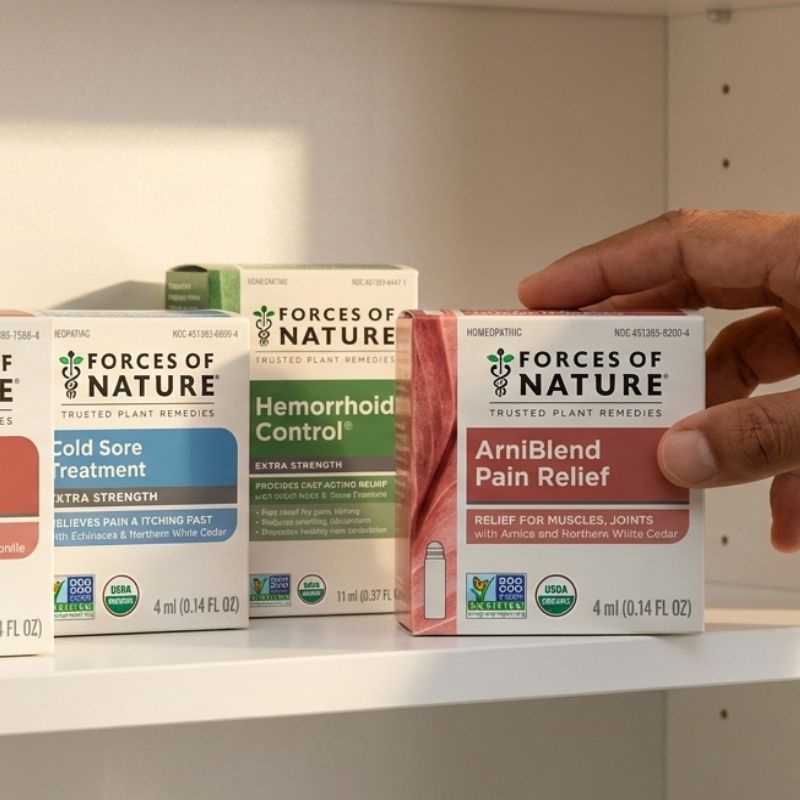
By Dr. Peter Klapper Ph.D. Most people think of arthritis as a painful condition that strikes older adults after decades of placing too much wear and tear on their joints.While many adults do develop arthritis, this condition can also affect children under the age of 16. In fact, nearly 300,000 kids and teens in the United States have a form of juvenile arthritis, according to the Arthritis Foundation.Unlike osteoarthritis, opens in a new tab, the wear-and-tear form of the disease, juvenile arthritis is typically autoimmune or autoinflammatory in nature. This means that the body engages in friendly fire against its own bones, joints, and tissues, causing pain, inflammation, trouble walking, and other symptoms.Many types of arthritis can affect kids. The most common one is juvenile idiopathic arthritis (JIA), which is an umbrella term for several types of arthritis, including oligoarthritis, polyarthritis, systemic JIA, enthesitis-related JIA, juvenile psoriatic arthritis, and undifferentiated JIA. (Idiopathic means that the exact cause is unknown.)Other types include:Juvenile myositisJuvenile lupusJuvenile sclerodermaVasculitisFibromyalgiaSome kids also develop skin symptoms such as a scaly red rash with juvenile psoriatic arthritis, a butterfly-shaped rash across the nose and cheeks with juvenile lupus, or thick patches of skin with scleroderma. Your child’s eyes may also be inflamed and sensitive to light with certain types of arthritis. Other symptoms of juvenile arthritis include fatigue, appetite loss, and high fevers. The disease can also affect internal organs such as the lungs and heart as it progresses.Like other types of autoimmune disease, juvenile arthritis is marked by periods of flares of high disease activity and periods of remission where symptoms are nonexistent.There is no cure for juvenile arthritis, but prompt diagnosis and aggressive treatment can stop the disease in its tracks. Immune-modulating medications can help cool inflammation and prevent progression, while other types of medications can relieve symptoms. A well-rounded treatment plan typically includes medication, regular physical activity, and a healthy diet. There’s also a growing role for complementary therapy such as acupuncture; Forces of Nature Joint Pain Relief, opens in a new tab, an organic, plant-based topical product that can be rolled on painful, swollen joints; and other modalities.The bottom lineIf you think your child has signs of arthritis, check in with your pediatrician to learn the next steps. Diagnosing the condition early and treating it aggressively is the best way to help your child preserve joint function and mobility.Learn more about juvenile arthritis at the National Institute of Arthritis and Musculoskeletal and Skin Diseases, opens in a new tab.
Learn more
A Short Guide to Seasonal Allergies - All Year Long
By Dr. Peter Klapper Ph.D. For some people, each spring there’s no surprise that they find themselves dealing with itchy and watery eyes, constant sneezing, a runny nose, dry throat and cough, headaches and more. Why? Because as the winter snow melts away, and trees and plants begin to blossom, so do your allergies.And while many of us attribute allergies to spring, did you know that each season poses different allergens that can throw your immune system out of whack?Allergies and Your Immune SystemFirst off, what causes allergies?Well, when an allergen enters your body, it may be harmless, but your immune system mistakes it as a dangerous invader. The problem with this mistake is that when it enters your system in the future, your body is programmed to create antibodies that release a chemical known as histamine. The histamine released is what causes your allergy symptoms.Common allergens, opens in a new tab are airborne such as pollen, animal dander, dust mites and mold. People can also experience allergic reactions to certain foods, insect stings, medications, and other various substances.Most of the time with airborne allergies, your airways, sinuses, and nasal passages are affected, and the reaction can range from being mild to severe. However, in those severe cases, allergies can turn into anaphylaxis, a condition that causes your body to go into shock. That said, it’s important to keep note and be aware of any allergies you may have.So, what allergens are prone to appear each season?Spring: Tree PollenHave you found yourself with the sniffles lately? If so, you’re more than likely allergic to some variant of pollen. During the Spring, trees, grasses and weeds, opens in a new tab release grains into the air to fertilize other plants. While this process makes springtime so green and beautiful, it can cause your body’s defense system to overreact.The histamines we discussed earlier are what cause the itchy eyes, runny nose, sneezing, headaches, etc. If you find yourself experiencing a strong reaction to the pollen, be sure to find Go to 5-natural-ways-to-combat-your-allergy-symptomsways to combat your symptoms, opens in a new tab if you can. However, the problem with pollen is that it doesn’t have to be your tree outside causing your flare up, pollen can unfortunately travel for miles.Common tree pollen triggers are: Alder Ash Aspen Beech Birch Box elder Cedar Cottonwood Elm Hickory Juniper Maple Mulberry Oak Olive Pecan Poplar Walnut Willow Summer: Grass PollenSimilar to the spring, pollen is also the culprit in the summer months – specifically grass pollen. While grass pollen does fertilize in the spring, too, it reaches moderate to high levels, opens in a new tab throughout the summer months. And when it’s warm, most people find themselves outside amongst the pollen saturated air.The problem lies in the fact that spring’s moisture in our lawns, opens in a new tab prepares it for pollination at the beginning of summer. Our lawns make look lovely, but that green grass can cause agony for those who are allergic.The grasses that tend to be the culprit are: Bermuda Johnson Kentucky Bluegrass Meadow Fescue Rye Timothy Fall: Weed PollenJust as you begin to think that the allergy months are behind you, fall begins to poke its head out. With fall, most of us associate the changing in leaves with plant life dying and hibernating for the winter. However, ragweed pollen is just beginning to pollinate.About 75% of people who are allergic, opens in a new tab to spring plants are also affected by ragweed which tends to pollinate in late summer through November but is at its highest in mid-September. While ragweed can be found nationwide, it’s most common on the east coast and in the Midwest.Other fall allergens, opens in a new tab include: Burning bush Cocklebur Lamb’s-quarters Pigweed Sagebrush and mugwort Tumbleweed and Russian thistle Winter: MoldAs snow begins to fall, it’s impossible for there to be any seasonal allergens, right? We wish that were true, but no. In the winter months, as you begin to spend more time inside, indoor allergies become the culprit. Imagine this, it’s freezing outside so naturally, you turn on the heater. The problem there is that when your heater kicks on, dust and mold spores, opens in a new tab are pushed into the air, which causes your body to react.Common winter allergens are: Mold Dust Mites Pet Dander Insect Droppings How To Avoid AllergensNow that you know what allergens are most active during certain months, how do you treat your symptoms?Well, if you can, try and avoid your allergen whenever possible. If the pollen count is high one day, stay inside. Pay attention to the weather. Pollen levels are highest when it’s warm, dry and windy, so if it’s just rained, it’s a perfect time to get outside.Did you spend a lot of time out today? If yes, then wash your clothes and hair, opens in a new tab as soon as you get home. Certain fabrics attract pollen and less breathable fabrics are ideal for mold, so if you can, try wearing natural cotton fibers during your peak allergy season.If you like to workout outside, shoot for later hours. Pollen and mold levels tend to be higher from 5 a.m. to 10 a.m. It’s also a good idea to stay hydrated. Believe us, your body (especially your nose) will thank you for the extra hydration.NATURAL TREATMENTSIf all else fails and your desperate for some relief from your allergy symptoms, think about giving our Maximum Strength Allergy Medication, opens in a new tab a try. It naturally relieves common indoor and outdoor allergy symptoms including hay fever, hives, watery eyes, runny stuffy nose, rhinitis, sneezing, itchy eyes and throat from pollen, ragweed, grasses, animal dander and mold.Our natural allergy relief medicine, opens in a new tab works to stop the inflammatory response that allergies cause while stimulating your body's natural healing response to desensitize your body to allergens over time. We also understand that not all allergies are alike, and you might be experiencing other symptoms as well.Other products that work well are our Natural Sinus Relief, opens in a new tab remedy and for headaches or migraine attacks caused by allergies, try Migraine Pain Management.Headache pain management
Learn more
Parenting with Migraine, Marina Medved-Lentini Shares Her Migraine Journey
By Marina Medved-LentiniMigraine During PregnancyMy migraine journey began when I was 13. I successfully navigated through college, law school, and my career as an Attorney. However, once I married and became pregnant, the hormone fluctuations significantly changed my migraine pattern. Although some women get relief from migraine during pregnancy, I was one of the unlucky ones who got worse. My attacks gradually became more severe in frequency and severity until I was experiencing them daily. I had two babies seventeen months apart. Parenting young children with daily migraine attacks was challenging and often tested my sanity. The days were a blur while I focused on feeding, changing diapers, and reading books, mainly in a fetal position on the floor. My amazing family, supportive husband, kind friends, and migraine community helped me through those difficult days. I finally was able to gain control over my migraine disorder and find the right combination of treatments.Migraine During PandemicUnfortunately, the frequency and the severity of my migraine attacks intensified again during the pandemic. I was homeschooling my kids during the first year of the pandemic. We were in a pod that gathered at my house, and of course, the stress triggered my migraine attacks. I gradually began taking more acute medications and started to experience migraine attacks daily again. I feel exhausted, frustrated, and often defeated by how migraine affects my life. However, I continue trying different treatments and do not lose hope. My Migraine Treatment PlanFor someone with chronic migraine, a treatment plan is never simple. It usually involves a multimodal approach. For me, my preventive and acute treatment involves the following: Preventive and acute medications, procedures, and infusions;Nerve blocks;Chiropractic treatment;Essential oils;Neuromodulation device;Guided meditation;Movement;Supplements;Migraine AdvocacyLiving with chronic migraine has made me the person I am today. I am a migraine advocate at Parenting With Migraine, , opens in a new tabwhere I share my migraine journey. It is also where I share educational information about migraine to empower migraine patients to become their own advocates. I am passionate about raising migraine awareness, making people feel less alone, and educating others about migraine. As a migraine advocate, I stress the importance of finding a headache specialist for people who experience episodic migraine because I know how easy it is for episodic migraine to morph into chronic migraine. I also encourage women interested in having children to create a migraine treatment plan with their headache specialist and OB-GYN before getting pregnant. There are now many safe migraine treatments during pregnancy. I encourage women to find a headache specialist and an OBGYN willing to work together to help them find a migraine treatment to get through the pregnancy journey safely and as comfortably as possible. Finding Migraine CommunityLiving with chronic migraine means we often feel helpless and alone. Finding a community of people who understand us and support us is essential. When I was first diagnosed with chronic migraine, I thought I was the only person living with daily migraine attacks. I was a new mom with a newborn in constant pain, wondering what was happening to me. I learned through social media that I was not alone and that many others lived with chronic migraines. Please know that you are not alone. Many migraine communities on every social media channel are waiting to welcome you. We are here, wanting you to know that you are not alone. Bio:Marina is a content creator and migraine advocate on Instagram, opens in a new tab and blogger at Parenting With Migraine, opens in a new tab. She is also an Attorney and a Social Media Strategist at Social With Marina, opens in a new tab. She lives in Massachusetts with her husband and two children. When she is not working or being a migraine advocate, she enjoys gardening, listening to audiobooks, and spending time with her family.
Learn more
8 Natural Ways to Treat Chronic Migraine
By Dr. Peter Klapper Ph.D. Have you ever had a headache so severe that it completely knocks you off your feet? Well, try coupling that with other symptoms such as light and sound sensitivity, aura, nausea, vomiting brain fog, and dizziness and you will know what it feels like to have a migraine attack. Currently, The American Migraine Foundation (AMF) estimates that at least 39 million Americans live with migraine, but because many people do not get a diagnosis or the treatment they need, the actual number is probably higher.With so many people suffering from symptoms of migraine every day, it’s important for patients to find the right treatment options for their toolkits. For some, that might look like medication, but it’s not uncommon for people to want to also try a natural approach. That is why we are sharing “8 Natural Ways to Treat Chronic Migraine” on our blog for Migraine and Headache Awareness Month.1. Magnesium SupplementIt’s no secret in the migraine community that migraine attacks might stem from the depletion of magnesium in their diets. After all, magnesium helps with muscle, nerve, and energy functions in the body. According to AMF, it’s believed that magnesium can prevent the brain signaling that causes visual and sensory changes associated with aura, opens in a new tab, a majorly disrupting symptom of migraine. If you haven’t already, discuss taking a magnesium supplement with your doctor.2. Light Blocking GlassesAnother common trigger for many with migraine are lights. If you find yourself feeling nauseous, dizzy or in pain from bright lights, consider purchasing a pair of migraine glasses or blue light blocking glasses to combat symptoms.3. Ginger for NauseaIf nausea tends to be one of your worst symptoms, think about consuming some ginger. Ginger is an ancient herb used widely in history for its many natural medicinal properties and is known to be an effective and inexpensive treatment for nausea and vomiting. Try drinking a ginger tea or sucking on a ginger candy.4. Reduce StressMany find that they are more likely to have an attack if they are under a lot of stress. Therapies such as massages, acupuncture, meditation, etc. can all have a lasting effect on the body and mind. By promoting relaxation, it can help bring a person’s threshold down and reduce the number of migraine attacks.If you need a little help with calming your brain, give our natural “Calm Mood” remedy, opens in a new tab a try!5. DietDid you know that a migraine attack can be triggered by what you eat? That’s right, many people are triggered by food. The Heal Your Headache elimination diet is a great way to see what foods are causing an attack and looks at eliminating common migraine culprits such as chocolate, red wine, aged cheese and meats, caffeine, nuts and various fruits and veggies.6. Getting A Good Night’s RestSleep is crucial for your health for many reasons, but especially for someone who suffers from chronic migraine. Sleep and migraine are often linked, opens in a new tab and too little of sleep is commonly known to cause headaches and possibly migraine attacks.Need help getting to sleep and staying asleep, try our natural Sleep Well, opens in a new tab product and wake up rested, not groggy.7. ExerciseAs with most things, exercise is a good habit to have in your daily routine. Exercise helps with improving your mental state and reduces stress, a common migraine attack trigger. While all exercise is great, yoga has been found to be a great option for migraine prevention and treatment.Not only does it reduce stress with the various breathing exercises, but the movements and poses help loosen tight areas such as the neck, head, and shoulders. All which can become more irritated and inflamed during a migraine attack.8. Natural Migraine MedicationOur natural migraine roll-on medication is another great option to combat an attack. This treatment will quickly ease the severe throbbing pain sensation, nausea, sensitivity to light and sound that is triggered by migraine.By directly applying it to your forehead, our migraine pain management relief oil alleviates the four stages of migraines: prodrome, aura, headache, and postdrome. Give it a try today and watch as your symptoms begin to disappear.
Learn more
Alzheimer’s and Dementia: Everything You Need to Know
By Dr. Peter Klapper Ph.D. The thought of aging can be scary for a lot of people, especially when it comes to your brain and memory. Our brains are powerful yet sensitive organs that even the slightest change can cause a new ailment to appear – such as dementia. At some point in your life, you probably have known someone who suffers from some form of dementia and have seen firsthand how it can affect even the brightest individual.Sadly, more than 55 million people are living with Alzheimer’s or another form of dementia, so it’s important to be aware of the risk factors, signs and symptoms, and how you can potentially combat this cruel disease.June is “Alzheimer’s and Brain Awareness Month” which is why we want to share this guide with you.Dementia vs Alzheimer’sYou have probably heard the terms, dementia, and Alzheimer’s, tossed around when describing an elderly loved-one who may have trouble remembering various details or seems confused. So, what’s the difference between the two?Well, first, it’s important to know that dementia isn’t a single disease. It’s an umbrella term for loss of memory, language, problem-solving and other thinking abilities that are severe enough to interfere with daily life. There are multiple forms of dementia that include Alzheimer’s, Vascular, Lewy Body, Frontotemporal and Huntington’s Disease. In some cases, someone can also suffer from “mixed dementia,” which is the symptoms of dementia from more than one cause.These various forms of dementia are caused by abnormal brain changes and brain damage that results in declined thinking skills and cognitive abilities that can impact someone’s life and ability to function independently.As far as Alzheimer’s disease goes, high levels of specific proteins inside and outside of brain cells make it hard for them to stay healthy and communicate with one another. In the hippocampus, the brain’s memory center, is typically where brain cells are often first known to be damaged. Therefore, memory loss tends to be one of the earliest symptoms.What Are the Risk Factors?If Alzheimer’s disease can come as a result of brain damage and not necessarily just getting older, how do you know if you’re at risk?Well, first off, we hate to say it, but age is still a factor. Most people are more at risk after the age of 65. In fact 80 percent of those living with Alzheimer’s disease are 75 years and older, but it’s important to know that age isn’t completely a deciding factor.You’re also more likely to be at risk if you have family history associated with the disease, are female, have had a head injury, experience high cholesterol levels and high blood pressure.Warning Signs of Alzheimer’sNow that you’re aware that Alzheimer’s causes a slow decline in the memory and thinking skills, how can you look out for the warning signs? According to the Alzheimer’s Association, these are the warning sings to look out for if you’re concerned.Memory LossAs we discussed above, memory loss that affects daily life tends to be the first warning sign. That tends to look like forgetting simple information such as important dates and events, repeating the same questions frequently and needing more support to handle relatively easy tasks.Problem SolvingProblem solving can become a problem when the individual experiencing a cognitive delay can no longer follow a plan or solve basic problems, like budgeting their finances. It may be a sign of Alzheimer’s when they are no longer able to concentrate for long periods and can’t complete a task after reading directions.General ConfusionYes, as we get older, confusion can happen, but when is it a problem? With Alzheimer’s, it’s concerning if a person becomes confused on how they may have arrived to a certain place, or are confused by the time of year, etc.Language ProblemsIf someone is developing Alzheimer’s, they may have trouble becoming engaged in a conversation. You might notice that they begin to ramble, struggle with basic vocabulary, or have a hard time remembering the name of a common object or family member.Misplacing ObjectsAs the memory declines, so does the ability to recall where you may have placed a common household object. A warning sign typically is when the individual has set an object down and can’t go back through their memory on how to trace it. This can sometimes result in the individual making accusations of theft as the disease progresses.Poor Decision MakingYou may notice that someone who suffers from Alzheimer’s begins to make poor judgement calls, such as neglecting to clean themselves and their house, leaves out groceries that need to be refrigerated, etc.Personality ChangesAnd sadly, personality changes. Someone suffering from Alzheimer’s may begin to act confused, paranoid, suspicious and anxious. Especially when they are pulled away from their comfort zone.(Note: If you have noticed any of the above in yourself or a loved one, it’s important to notify your doctor as soon as possible.)How To Fight ItUnfortunately, there’s no cure for Alzheimer’s, but there are treatments that can change the disease’s progression and that treat symptoms. Therefore, it’s important to see your doctor as soon as you notice something cognitively “off.”However, it doesn’t hurt to start working to stay mentally and socially active now to keep your brain working. By taking care of and challenging our brain and memory,Go to 6 tips to improve your memory and boost your brain you can potentially slow the rate of dementia.Family And SupportNothing is harder than watching a family member become something besides what they once were prior to Alzheimer’s decline. Many family members find themselves grieving and mourning, which is completely okay. If you do find yourself in this situation, be sure to take care of yourself while being there for your loved-one. There are many support groups to help through this difficult time.If you believe that a loved-one is showing symptoms, do your research before approaching them. Make sure that you have eliminated any other possible health conditions that can cause memory loss.If you have narrowed down that the confusion is coming from Alzheimer’s, try to approach it in a loving manner and find a place to address it where the individual feels comfortable. Also, think about offering to go to the doctor with them as another form of support.Alzheimer’s and dementia are very difficult to cope with for everyone involved, so know that you’re not alone. For more information on Alzheimer’s and how to cope, click here.
Learn more
What is Inula helenium?
By Dr. Peter Klapper Ph.D.What is it?Inula helenium, also known as elecampane, is a soothing herb with a long list of potential health benefits. It’s a sunflower-like plant from the daisy family that is native to Europe and northern Asia. Its roots and rhizomes are rich in flavonoids, polysaccharides, fatty acids, and other healthful compounds.What is its history?This herb is the stuff that legends are made of…literally. Folklore suggests that Helen of Troy wore this flower in her hair as she was abducted from her homeland and that this plant grew wherever Helen's tears fell during this time. Its genus name, Helenium, refers to Helen of Troy.How is it used? The list of potential health benefits associated with the roots and rhizomes of Inula helenium is a lengthy one. It has been used to treat coughing associated with bronchitis, asthma, and even whooping cough.How is it taken?Inula helenium is available in teas, tinctures, medicinal honey, syrup, capsules, extracts, or drops such as in Forces of Nature’s Allergy Maximum Strength, opens in a new tab. Health benefits aside, the root is also used to give absinthe its bitter flavor.How does it work?It’s rich in mucilage which helps thin the mucus that can trigger coughing. (Sometimes mucus is produced in response to irritation from an allergen.) A study in the journal Antioxidants showed that elecampane has anti-inflammatory effects, opens in a new tab in the lungs, which can also help ease coughing and congestion. This herb is also rich in the prebiotic soluble fiber inulin. Prebiotics help to encourage a healthy and well-balanced gut. Inulin has other positive effects too. It can slow metabolism and reduce blood sugar spikes in people with diabetes.Thinking of giving elecampane a try?Forces of Nature’s Allergy Maximum Strength contains Inula helenium along with other all-natural herbs such as stinging nettle, marshmallow, and Scots pines to reduce vexing allergy symptoms. Place 5 to 10 drops under your tongue at first signs of sniffling, sneezing, cough or other allergy symptoms. Repeat this every 15 minutes until symptoms subside. You can also add three to six drops in water and drink throughout the day.Where can I learn more?Interested in learning more about Inula Helenium? Check out these articles: Eclectic School of Herbal Medicine - Elecampane Monograph, opens in a new tab- Eclectic School of Herbal Medicine Elecampane Monograph Missouri Botanical Garden - Inula Helenium, opens in a new tab - Missouri Botanical Garden Inula helenium details
Learn more
Rheumatoid Arthritis: A Guide to Seeking Treatment for Joint Pain
By Dr. Peter Klapper Ph.D. As we age, it’s natural for our joints and muscles to tighten and crack more than they did when we were young. Our muscles lose strength and endurance while our joints become stiffer and less flexible. The latter is usually due to the decrease in cartilage between joints and our ligaments shortening. So, how do you tell the difference between general wear and tear on the body and something more serious such as Rheumatoid Arthritis?First off, it’s important to understand more about this autoimmune disease.What is Rheumatoid Arthritis?Unlike osteoarthritis, opens in a new tab, the most common arthritis affecting millions worldwide, Rheumatoid Arthritis isn’t a result of over working your joints from sports, obesity, genetic deformities, or the like. It’s actually an autoimmune disease that results from your immune system attacking your body’s own tissues. Beyond your joints, rheumatoid arthritis can also affect body parts such as your eyes, mouth, and lungs.The symptoms can range from swollen and tender joints, joint stiffness, fatigue, and loss of appetite. The symptoms can vary in severity and may even come and go with periods of flare-ups and remission.While Rheumatoid Arthritis can begin at any age, you’re more likely to develop this condition in your sixties. You’re also more at risk if you’re a woman, smoke, are obese, or have a genetic/inherited trait that can cause for your arthritis to be worse.So, how do you know if you’re developing Rheumatoid Arthritis?The Four Stages of Rheumatoid ArthritisWhen diagnosing your Rheumatoid Arthritis, you will need to know what stage you’re currently in. Those four stages are as follows:Stage 1: In the early stages of Rheumatoid Arthritis, your body will begin to mistakenly attack your own joint tissue causing the membranes to swell. Those symptoms will include mild joint pain and stiffness commonly in your hands, fingers, ankles, and knees.Stage 2:During this stage, your body is alerted that something is going awry. At this point, the body has begun developing antibodies that has caused your joints to increase in swelling. This inflammation and swelling have now led to the thinning of the cartilage between your joints. As you use your hands and no longer have the padding in terms of cartilage, you will feel more stiffness as you use your extremities and joint damage can begin to occur.Stage 3:At this point, you should be very aware something isn’t right – in fact, your symptoms will be incredibly visible. Now that the joints are damaged, they will begin to fuse with connective tissue that limits range of motion. It will cause them to become bent and deformed, opens in a new tab, making fingers look crooked. This can also cause your joints to press on your nerves causing nerve pain.Stage 4:If your Rheumatoid Arthritis still hasn’t been treated by stage 4, you will no longer have a joint remaining. Your bones will have now fused together. The pain will have likely ceased, but you will lack the ability to move your joints as you did previously.If you are experiencing any of the symptoms in the stage above, please contact your doctor to seek treatment.However, we would like to give you some peace of mind by knowing that it’s now less common to see people reach the later stages of Rheumatoid Arthritis because there are effective treatments options. Especially if you’re proactive.Coping With an Autoimmune DiseaseWith any autoimmune disease, it can be hard to cope at first. You might be asking yourself why this happened to you or be so frustrated by flare-ups, everyday pain and how it affects your day-to-day. The silver lining is that 80% of sufferers, opens in a new tab can lead a normal life with the aid of medication and treatment.How To Treat ItDepending on the severity of your Rheumatoid Arthritis and what stage you might be in, there are various ways to treat your pain. Medication options can include NSAIDS, steroids, conventional DMARDs, biologic agents and targeted synthetic DMARDS. Physical therapy and surgery are also options depending on the level of damage on the joint and fusing that has taken place.And if none of those options speak to you, there is also the natural approach to relieve pain.Our natural joint pain relief, opens in a new tab will quickly alleviate minor aches and pains of muscles and joints associated with Rheumatoid Arthritis. Natural analgesics in our formula works with your body over time so you can regain healthy joint mobility and get back to the things you love. Give this natural treatment option a try today!
Learn more
Ex-Competitive Surfer Siren Williams Shares her Journey with Melanoma
By Siren Williams The Dark Freckle"I'm sure I have skin cancer somewhere", I'd say. "The sun will be the death of me", I'd joke. I knew there was truth in what I was saying, I just didn't realize it would happen as quickly as it did, and I always felt like it was safe to procrastinate on getting looked over by a dermatologist because we all know the signs of melanoma, right? I couldn't have been more wrong.It all started with having an impacted wisdom tooth removed and a round of antibiotics. A week later, I'd developed a rare bacterium, re-did the surgery, and did another round of antibiotics. These two rounds of antibiotics started the spiral that eventually led to a year of what was likely an autoimmune problem, combined with simply recovering from multiple rounds of antibiotics, which inevitably led to the discovery of a melanoma on my right arm.After the oral surgeries, I loaded up on probiotics hoping to cure the slump I was in after nuking my body, but I started to show signs of an autoimmune problem. I broke out into blisters and staph infections all over my body, which took three more rounds of antibiotics to remedy, while also being referred to a dermatologist to see if they could give some insight into what might be happening, while my blood tests were showing a potential for an autoimmune disease.Being a new patient with the dermatologist, a place I obviously didn't go, it took several months to get an appointment. Of course, once I got in, the blisters and staph were long gone, but the dermatologist wanted to look me over anyway since I spend so much time in the sun. "I don't like that one", she said, looking at the dark freckle on my arm. It had always been there, just lighter. One day I looked down and it was darker, and I told myself to have it looked at, but it would be over a year later before it was actually seen. She removed several spots around my body for biopsy and I waited a couple of weeks for the lab results.I got the call from the dermatologist’s office one afternoon saying they had the results. I was immediately nervous because the next words out of this guy’s mouth were, "We've scheduled your surgery for tomorrow at 10am to remove a melanoma."It was real. It was happening. I had no choice, no option, no way to back-peddle and put on sunscreen...The surgery was absolutely horrible. They simply numb the area, then make a 4" slice in your arm while you're going into shock and trying not to look, then they remove a huge chunk of your arm, bandage you up, and send you home overnight to wait for the lab results. The lab determines whether or not they were effective in removing all of it, or if they need to remove more. The next day we waited anxiously all morning for a call saying we could come in the afternoon to get stitched up and that they had successfully removed all of the cancer. This melanoma was still "in situ", which means it hadn't yet spread past the skin. This means that I caught it just in time, as melanoma can progress past this point and become deadly in just a few weeks.Since then, I've gone back for routine check-ups, we've done multiple biopsies, and have removed a few other pre-melanomas. I learned that I am prone to a specific type of mole (even though each one has looked completely different) called dysplastic nevus, which can turn to melanoma, and in my case, it does it often. Some were freckles that I'd had forever that just turned a darker brown, while others were flesh colored moles that I noticed were suddenly a little larger. They vary greatly, and I felt really misguided by the traditional thought that melanoma is a "mole" that starts to change colors or turns black. None of mine have fallen under the description I felt I was so commonly given to look for.The scars from the surgeries are just battle wounds, but I still loaded up on scar creams and products to help them heal and become more subtle. The scar on my arm was 4" long and deep purple-red for months, and the Forces of Nature Scar Treatment, opens in a new tab assisted in lightening that scar. My arm is somewhat deformed since they removed so much skin and then stretched it tight to stitch it back, but that's something I can live with! From this entire experience, I've learned a few things that made me realize just how lucky I am, as well as some general information that every person with skin needs to know. First, it's important to note that melanoma isn't always that classic internet photo of a wonky mole with brown and black spots. It can literally be a dark freckle or a flesh-colored mole, and it may have other faces I've not yet seen. It's important to take some mental notes or even photos of your current moles and larger, stand-alone freckles to monitor them in case they do change colors or grow. You should also check your fingernails for dark stripes which could be cancer and have your eye doctor check your eyes for melanoma. Skin cancers can also take off when you go through a period of having a weakened immune system, and in my case, this made sense. I also learned that you don't actually need to be a sun worshiper to get skin cancer! Anyone can get it, even in areas that don't see the sun. Genetics can play a huge part in cancers in general, and this is where I get flashbacks of my grandpa burning them off of his arms with cigarettes when I was a kid.The most important thing that everyone should know is that melanoma can become life threatening in as little as six weeks. You cannot procrastinate, and you may not even realize you have it. If I hadn't had that wisdom tooth removed, it's very likely that I wouldn't be here writing this article today. Wear sunscreen, utilize the shade, and GET CHECKED, opens in a new tab!You can learn more about Siren Williams by visiting her instagram here, opens in a new tab.
Learn more
All About Asthma: How To Keep It Under Control
By Dr. Peter Klapper Ph.D. If you suffer from asthma, you may be having a harder time breathing lately due to allergies. If you are, know you’re not alone. The spring is peak season for people with allergies, which is why May is known as “National Asthma and Allergy Awareness Month.”To raise awareness around this disease that affects 25 million people in the United States, opens in a new tab, (20 million adults and 5 million children) we wanted to help provide tips to keep your asthma under control this allergy season.What Causes Asthma?Although Asthma is a more commonly known illness, you may be wondering what causes flareups. Asthma is a chronic condition that affects your bronchial tubes, opens in a new tab (i.e. the airway in your lungs.) Those who suffer from this disease airways will narrow, swell and produce extra mucus when triggered which makes breathing, opens in a new tab difficult and causes coughing, wheezing and shortness of breath.But to be honest, it’s uncertain what actually “causes” asthma. What the medical community does know is that there are many factors that play into what might cause someone to have an asthma attack. Whether that be genetics and asthma runs in the family, to allergens, respiratory infections, and other environmental factors.For some, asthma is only a minor inconvenience and flares up a few times a year, however 5 to 10 percent, opens in a new tab of asthmatics have it far more severe and feel the impacts of their disease in their everyday life. Not to mention, many may have life-threatening asthma attacks. Unfortunately, asthma cannot be cured but it can be controlled.Tips To Keep It Under ControlKnow Your TriggersAs we stated above, asthma can be triggered by many ailments so it’s important to know what the cause of your asthma attacks might be. For many, common triggers include cold air, humidity, exercise, allergens like pollen and dander and the effects of dealing with a cold.Keep FitWhile some might find that exercise can cause them to use their inhaler more frequently, working out is known to dramatically improve asthma symptoms. And by combining exercise with the proper treatment, improvement can be achieved.Conditions such as obesity cause asthma to be worse, which is why it’s important to stay healthy. By exercising, you strengthen your breathing muscles, improve your immune system, and keep a healthy body weight. However, be mindful on what types of exercise are best for you.Cardio is a great way to strengthen your lungs, but it’s also important to not overexert yourself to the point you can’t catch your breath either. If you can, try and avoid working out in cold air to prevent an attack.Don’t SmokeIf you smoke on the regular, or socially, it’s a good idea to think about quitting. Smoking can reduce the effectiveness of your asthma medication, not to mention the tobacco itself damages your airways causing more attacks.Secondhand smoke can also cause serious breathing issues. In fact, studies have shown a clear link between asthma in children because of secondhand smoke. More than 40 percent of children, opens in a new tab who go to the emergency room for asthma live with smokers and have more frequent asthma attacks.Pay Attention to Outside Air ConditionsThe weather and outside conditions can play a big part into asthma attacks. If you’re triggered by allergens such as pollen, be sure to pay attention to the pollen count outside, especially during the spring.If a fire is burning nearby, that will most likely also affect your asthma. By being aware of what’s happening outside of your house, you can plan and be prepared with the right medications.Keep Your House CleanSimilar to knowing the conditions outside, it’s also important to keep your house clean as well. If you’re triggered by animal dander or dust, you can reduce symptoms indoors by vacuuming and dusting regularly.Reduce StressAsthma attacks can be triggered by stress. Think about it, when put into a stressful situation, you might feel an overwhelming sense of panic that can cause an increase in breathing and heart rate that leads to shortness of breath and chest tightness.If you know that you have a stressful event coming up, try relaxing with massage therapy, a relaxing bath, exercise and even a good night’s rest.Take Care of Your HealthIf your asthma is severe, it can be affected greatly if you are faced with another ailment. Therefore, it’s so important to take care of yourself. If it’s cold and flu season, get your flu shot, inquire about a pneumonia shot, wash your hands, and wear a mask if in crowded places.Be Diligent with MedicationFinally, be proactive with your asthma attack plan and take your medication. Many preventive medications require you to take them daily, so don’t feel like you can skip out just because you’re currently feeling great.And don’t forget to keep your inhaler with you wherever you go. You never know what might trigger your asthma.
Learn more