
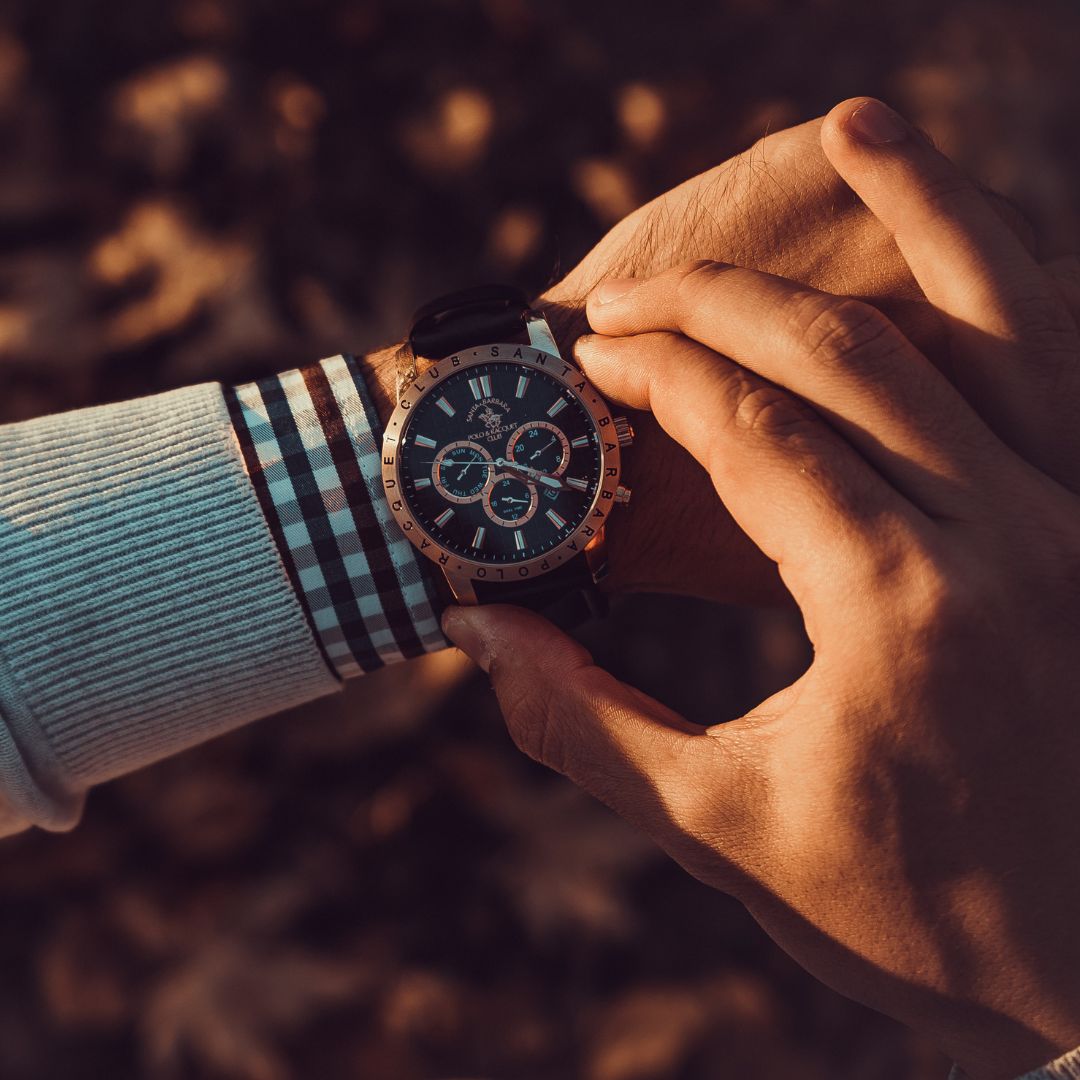
On Sunday, November 5, Daylight Savings Time (DST) will end for 2023, as we “fall back, opens in a new tab” and change our clocks back an hour. While DST was established in 1918 during World War I as a wartime measure in the interest of adding more daylight hours to conserve energy resources, here we are more than 100 years later still changing our clocks back and forth.
Sure, we as Americans do this twice a year, but have you ever considered if this time change affects your body?
Daylight Savings and Health Implications
Changing the clock for DST twice a year affects just about everyone from small babies to the elderly and not only affects sleeps patterns but overall causes Americans to feel exhausted. It also disrupts the body’s circadian rhythm.
In the spring and into the summer, we get more daylight in the evening, which is great until your body struggles to fall asleep and stay asleep due to the light exposure. And in the fall, opens in a new tab, waking up when it’s dark makes it harder for us to be alert and maintain a strong circadian rhythm. It also can affect those with pre-existing mental health, opens in a new tab conditions such as depression and anxiety. The time switch can exacerbate seasonal affective disorder (SAD), opens in a new tab as the days become shorter and darker.
Not to mention, insufficient sleep, opens in a new tab can increase a person’s odds of a motor vehicle accident, increases their likelihood of diabetes, opens in a new tab, obesity, lower cognitive performance, opens in a new tab, and decreases their overall cardiovascular health.
How To Cope This Daylight Savings Time
Unfortunately, DST doesn’t seem to be going anywhere, so the best you can do is find ways to cope and adjust each clock change.
Those coping mechanisms may include:
- A Gradual Adjustment: Try adjusting your sleep schedule leading up to the time change. Go to bed and wake up 15 minutes earlier each day.
- Maintain a Consistent Sleep Schedule: Stick to a regular sleep routine, opens in a new tab that’s the same time every day.
- Create A Relaxing Bedtime Routine: Whether that’s taking a warm bath, reading a book, etc. to establish a calming routine before bed.
- Control Your Exposure To Light: As we discussed above, DST impacts your circadian rhythm, so it’s important to make sure you get enough natural light during the day to regulate your internal clock.
- Mind Your Diet: Pay attention to what you’re eating – especially in the evening. Avoid caffeine, greasy meals, and in turn, replace with a light balanced snack.
- Prioritize Exercise: Engage in regular physical activity but try to avoid intense exercise close to bedtime. Exercise can promote better sleep, but doing it too close to bedtime may have the opposite effect.
November 5th is coming, so be sure to begin your plan to cope with the transition now. By understanding the effects on your circadian rhythm, how to adjust your sleep now to cope with the change, and the overall effects on your health, you should be able to acclimate in a few days. However, if you continue to struggle, be sure to instate more self-care during the time transition to get your sleep back on track.