
Natural Remedy News

Can Hemorrhoids Go Away on Their Own? How to Know It's Time to Start Treatment
Learn how long healing takes, when it's time to start treatment, and how to soothe symptoms naturally.
Learn more – Can Hemorrhoids Go Away on Their Own? How to Know It's Time to Start Treatment
Understanding Psoriasis: Symptoms, Triggers, and Treatment
Living with psoriasis can be a struggle for many people - especially before finding a diagnosis. Many times, people assume that the dry and patchy skin is a result of dry skin or eczema. They apply moisturizer, see no result, and feel frustrated as it begins to appear in more areas on the body. So, if there isn’t a psoriasis eczema rash, what exactly is psoriasis?
Learn more – Understanding Psoriasis: Symptoms, Triggers, and Treatment
The Link Between Psoriasis and Arthritis: Exploring Psoriatic Arthritis
Psoriatic arthritis is a condition that affects individuals with psoriasis. Discover the link between these two conditions and learn about the symptoms, causes, and treatment options in this informative guide.
Learn more – The Link Between Psoriasis and Arthritis: Exploring Psoriatic Arthritis
Psoriatic Arthritis Awareness
Psoriatic arthritis is a serious medical condition that has no known cure. In the United States alone, there are at least one million documented cases of this condition. Out of every 10 people with psoriasis, three will develop psoriatic arthritis. This condition is an affliction on two fronts — the skin and the joints. There are a variety of protocols for managing the symptoms of psoriatic arthritis daily and during flare-ups, including targeted homeopathic remedies.
Learn more – Psoriatic Arthritis Awareness
What is a Cold Sore? Ways to Treat and Prevent Them
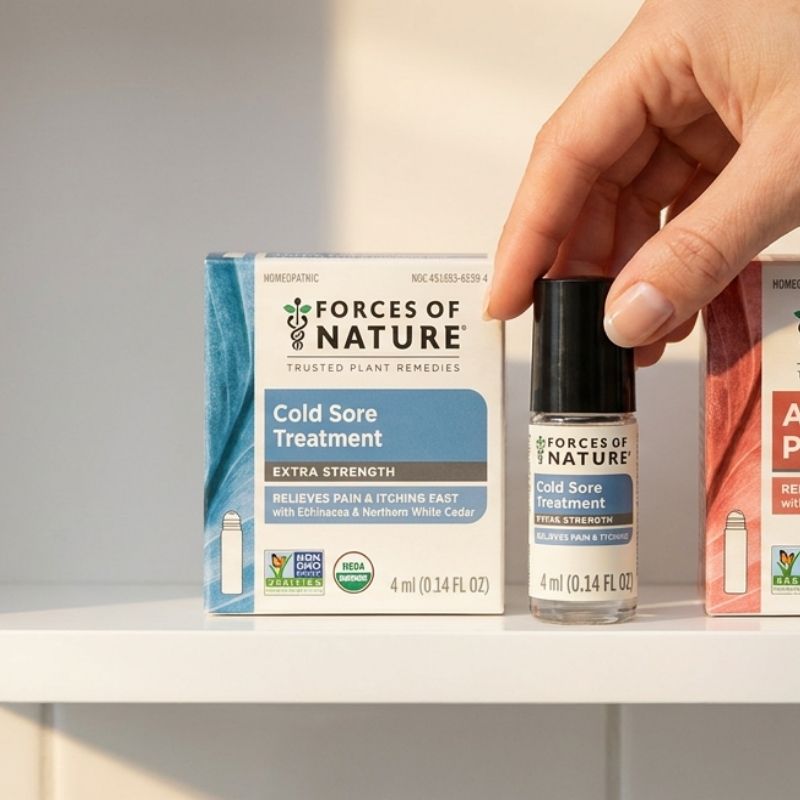
Cold sores can cause symptoms such as burning, itching, tenderness, redness, and fluid-filled blisters. Recognizing the earliest signs and beginning appropriate care promptly may help support the skin's natural healing process and improve overall comfort.
Learn more – What is a Cold Sore? Ways to Treat and Prevent Them
6 Reasons to Choose Clean, Natural, Organic Skincare
Your skin does more than protect you—it’s your body’s largest organ and absorbs much of what you put on it. Choosing natural, organic skincare isn’t just about beauty; it’s a conscious choice for long-term health and wellness.
Learn more – 6 Reasons to Choose Clean, Natural, Organic Skincare
All About Acne
Acne is a skin condition that occurs from overproduction of oil (sebum) by the oil glands of the skin. Although acne is often associated with teenagers, it can affect people from ten to adults well into their 40's.
Learn more – All About Acne
How are Rosacea and Psoriasis Different?
Well, psoriasis can affect your entire body and result in red, scaly plaques on your skin, among other symptoms, and rosacea causes a flushing that is typically contained to your face, targeting your nose and cheeks. In severe cases, rosacea can cause acne and thickened skin.
Learn more – How are Rosacea and Psoriasis Different?
Certified Organic: What Does It Mean?
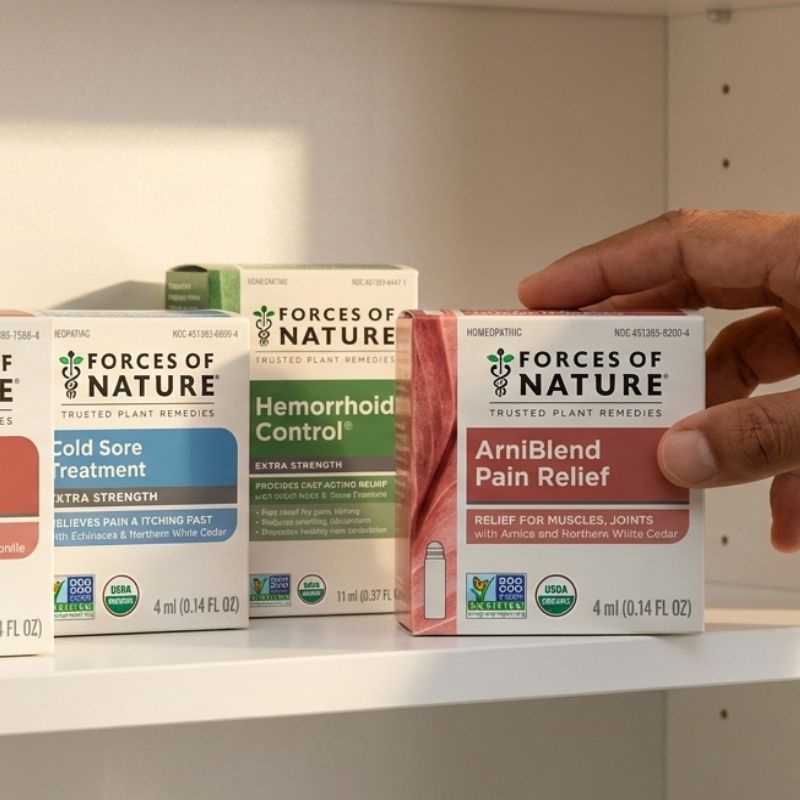
By Dr. Peter Klapper Ph.D.Last Updated: July 14, 2026 As you shop at the grocery store and decide between vegetables, you might notice that there is an area solely for organic produce. But what does that really mean? Aren’t most things that come from the earth technically organic?Understanding what makes a product classified as “organic” is important when making your next shopping decision, so let’s dive deeper. When something is classified as USDA organic, you can be assured that the product went through the verified steps between the farm and store that includes federal guidelines from the USDA on organic labeling, opens in a new tab addressing several factors such as soil quality, animal raising practices, pest and weed control and the use of additives.This is important to know because a lot of companies will slap “organic” on their products when they in fact haven’t been through the Organic Certification process, opens in a new tab. The USDA seal cannot be used unless the product has followed the strict standards of production, handling, and labeling.The History of Organic FarmingIn 1940, a farmer by the name J.I Rodale, opens in a new tab, began providing information about “non-chemical” farming methods through his publication “Organic Farming and Gardening” magazine. He was heavily influential in the development of organic production methods.As time went on, awareness grew around the benefits of organic products and so did an increase in demand. In the 1970s, the rapid growth caused for the organic farming industry to experience a few growing pains, which caused for big players to come together to agree upon the right approach, standards, and regulations.While decisions were made from state to state on what defined “organic,” it was making it hard for consumers to understand what organic meant for their in-state goods vs out of state goods. This sparked a movement that allowed Congress to pass the “Organic Foods Production Act (OFPA)” in 1990 to become a national standard. Once passed, the USDA developed and wrote regulations that were eventually implemented in 2002.Those regulations also broke out organic certification into multiple levels, opens in a new tab such as: 100% Organic: all ingredients and processing aids must be certified organic Organic: 95% of ingredients are certified Made with Organic: at least 70% of ingredients are certified organic, excluding salt and water. The remaining ingredients are not certified organic but are produced without specifically excluded methods such as genetically modified organisms (GMO), irradiation, or sewage sludge. Products with less than 70% organic ingredients have no USDA label but can list certified organic ingredients on their label. As the organic farming industry continued to grow, various organizations began to take life. The Non-GMO Project, opens in a new tab was created in 2007 by The Natural Grocery Company, opens in a new tab in Berkeley, California, and The Big Carrot Natural Food Market, opens in a new tab in Toronto, Ontario both of which had spent years working to provide their customers with more information about GMOs. After years of research and development, they combined their efforts into the “Non-GMO Project” and “verified butterfly label” with the goal of creating a standardized definition for non-GMO products in the North American food industry.And by 2010, their product verification program reached the marketplace with more than 3,000 verified brands and 50,000 verified products. Today, the Non-GMO Project verified products remain one of the fastest growing sectors in the marketplace and is the most trusted label for GMO avoidance in shoppers.The Difference Between Non-GMO And OrganicWhile it’s clear both Organic and Non-GMO products certifications are filled with necessary regulations, how are they different?Non-GMONon-GMO is given to products that have not been genetically modified. However, it doesn’t mean that the product is free from over 700 chemicals used in conventional, opens in a new tab production.OrganicOrganic must demonstrate that they remain compliant with the regulations and certification process. The use of GMOS, ionizing radiation, sewage sludge, synthetic pesticides and fertilizers are prohibited from organic production.So, why is this important for consumers?As we stated before in what it takes for a product to become Certified Organic certified, it means that you can be confident knowing that it won’t include additives and harmful chemicals. It also means that certified organic products are created from plants and naturally occurring ingredients.Research also shows that organic farming practices, opens in a new tab are better for the environment in terms of soil health, improving water quality and conserving energy. When it comes to the products you use every day, trusted certifications matter. At Forces of Nature, we're proud that our remedies are both USDA Certified Organic and Non-GMO Project Verified, giving you confidence that they're crafted with high-quality ingredients that meet rigorous standards for purity and transparency. From skincare and wellness to pain relief and family care, every remedy is thoughtfully formulated to work in harmony with your body using Certified Organic homeopathic medicines and plant-based ingredients. Explore our complete collection of natural remedies and discover the difference that truly certified products can make. Dr. Peter Klapper, Ph.D., founded Forces of Nature® in 1999 to make natural healing simple, safe, and truly effective. With a Ph.D. in Biology from Kiev University and deep passion for holistic wellness, he led the company to become the first to offer USDA Certified Organic homeopathic medicines. Dr. Klapper believes healing should be healthy for both people and the planet. Every product is crafted with care in California, using only pure, certified organic ingredients. Today, his mission to heal the world naturally continues to inspire everything Forces of Nature does. Disclaimer: This content is for educational purpose only and is not intended to diagnose, treat, cure or prevent disease.Original publish date: April 11, 2022 at 8:08 AM PDT
Learn more – Certified Organic: What Does It Mean?